Cape May Whale Watching: Your Complete Guide to Tours, Species & Best Times
Cape May Daily News
9 min read
Share:
Cape May occupies one of the most biologically productive stretches of the Atlantic seaboard. Perched at the tip of New Jersey where the Delaware Bay meets the open ocean, the waters here are rich with nutrients that attract an extraordinary diversity of marine life — from massive humpback whales to playful pods of bottlenose dolphins. For visitors, this means that a whale and dolphin watching cruise is not a gamble but a near-certainty, with most operators reporting sightings on over 95% of their trips.
Whether you're a first-time visitor hoping to tick a bucket-list experience, or a returning Cape May regular looking for something new, this guide covers everything you need to know: which operators to book, what species to expect, when to go, and how to make the most of your time on the water.
The Marine Life You'll Encounter
Cape May's waters host an impressive roster of marine mammals, and the species you see will depend on the season and how far offshore your captain ventures.
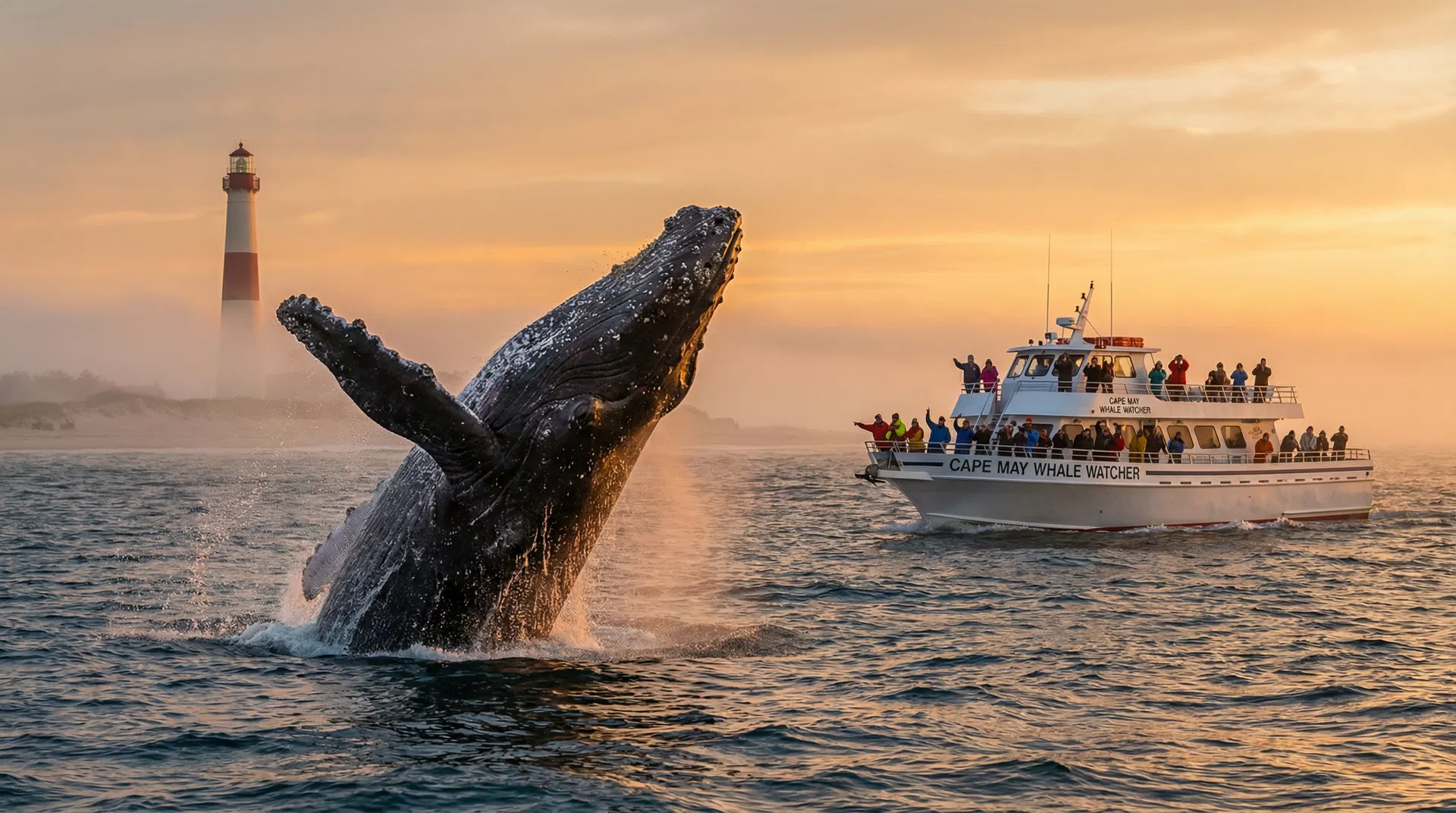
Humpback Whales — The undisputed stars of the show. Humpbacks are the most commonly sighted large whale in Cape May waters, known for their acrobatic breaching, fin slapping, and haunting songs. Adults can reach 50 feet in length and weigh up to 40 tons. Sightings are most reliable from late spring through early fall, when humpbacks feed on the abundant menhaden and sand lance in the area.
Fin Whales — The second-largest animal on Earth, fin whales are sleek, fast, and surprisingly common in Cape May waters. They are more likely to be seen further offshore but are regularly encountered on longer cruises. Their distinctive asymmetric coloring — white on the right lower jaw, dark on the left — makes them unmistakable.
Minke Whales — The smallest of the baleen whales commonly seen here, minkes are curious and often approach boats closely. They are present year-round and are frequently spotted on spring and fall cruises.
Right Whales — One of the most endangered large whales on Earth, North Atlantic right whales occasionally pass through Cape May waters during their spring and fall migrations. A sighting is rare and memorable — these animals are so critically endangered that fewer than 360 individuals remain.
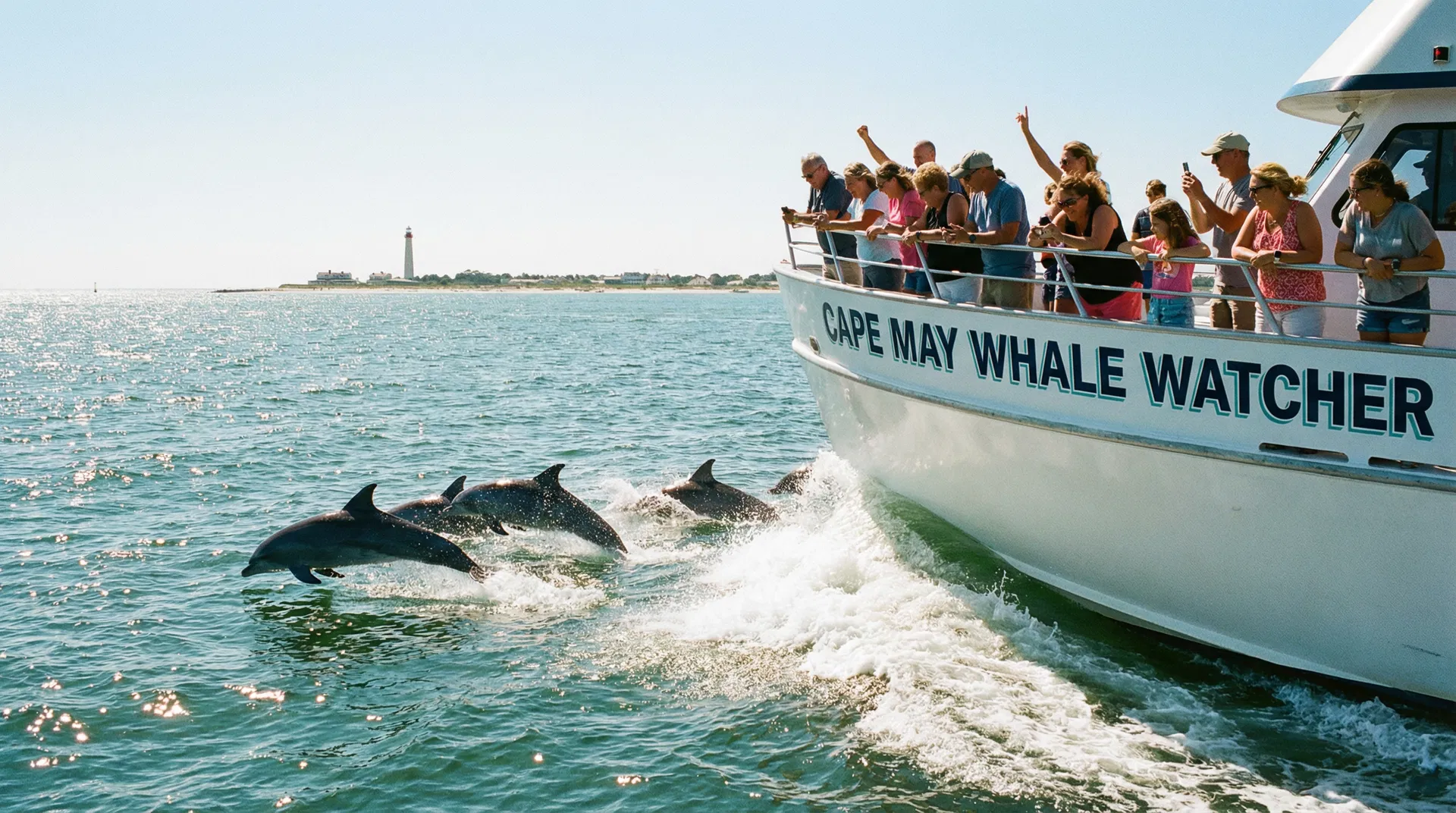
Atlantic Bottlenose Dolphins — The most reliably sighted marine mammal in Cape May, bottlenose dolphins are present from March through December with a 98% sighting rate. Pods of dozens — sometimes hundreds — of dolphins regularly bow-ride alongside tour boats, leaping and spinning just feet from passengers. For families with children, the dolphin encounters alone are worth the price of admission.
Common Dolphins — Smaller and faster than bottlenose, common dolphins form enormous super-pods that can number in the thousands. Encounters with these acrobatic animals are among the most spectacular experiences Cape May waters have to offer.
Atlantic bottlenose dolphins are spotted on nearly every cruise from March through December.
The Best Time to Go
Cape May's whale watching season runs from late spring through early fall, with each season offering different highlights.
May and June — The season opener. Humpbacks begin arriving in force as water temperatures rise and baitfish schools concentrate near the surface. Bottlenose dolphins are already abundant. Weather can be unsettled, but seas are generally manageable.
July and August — Peak season. Warm water, calm seas, and maximum marine life activity make summer the most popular time to go. Humpback sightings are at their highest frequency, and large pods of bottlenose dolphins are virtually guaranteed. Book well in advance — summer cruises sell out weeks ahead.
September and October — The hidden gem of the whale watching calendar. As summer crowds thin, marine life activity remains high and the weather is often ideal — warm days, calm seas, and spectacular light. Migrating humpbacks are still present, and the fall migration of seabirds adds an extra dimension to any cruise. This is the season that experienced naturalists prefer.
November through April — Off-season cruises are limited but rewarding for the adventurous. Minke whales and harbor porpoises are present year-round, and winter brings the possibility of fin whales and the rare right whale. Dress warmly and check operator schedules carefully.
The Top Tour Operators
Cape May has several reputable whale and dolphin watching operators, each with a slightly different approach. Here are the main options:
Cape May Whale Watcher — The largest and fastest boat in New Jersey, the Cape May Whale Watcher carries up to 300 passengers on 3-hour cruises departing from Miss Chris Marina on the Cape May Canal. The boat's size means a stable, comfortable ride even in choppy conditions, and the onboard naturalists provide expert commentary throughout. Morning and afternoon departures daily in season. Guaranteed sightings or a free return trip.
Cape May Whale Watch & Research Center — A family-owned operation run by Captains Matt and Melissa aboard the American Star. Smaller group sizes mean a more intimate experience, and the research focus means passengers get genuinely educational commentary about the animals they encounter. The center contributes data to ongoing marine mammal research programs. Dog-friendly and highly rated on TripAdvisor.
Thundercat Dolphin Watch — For a faster-paced experience, the Thundercat's high-speed catamaran covers more water in less time, making it ideal for dolphin encounters. A great option for families with younger children who may have shorter attention spans.
Spirit of Cape May — Combines whale watching with sunset cruises and lighthouse tours for a more scenic experience. A good choice if you want to combine marine wildlife with Cape May's famous golden-hour light.
What to Bring
A successful whale watching trip comes down to preparation. Here's what experienced Cape May whale watchers recommend:
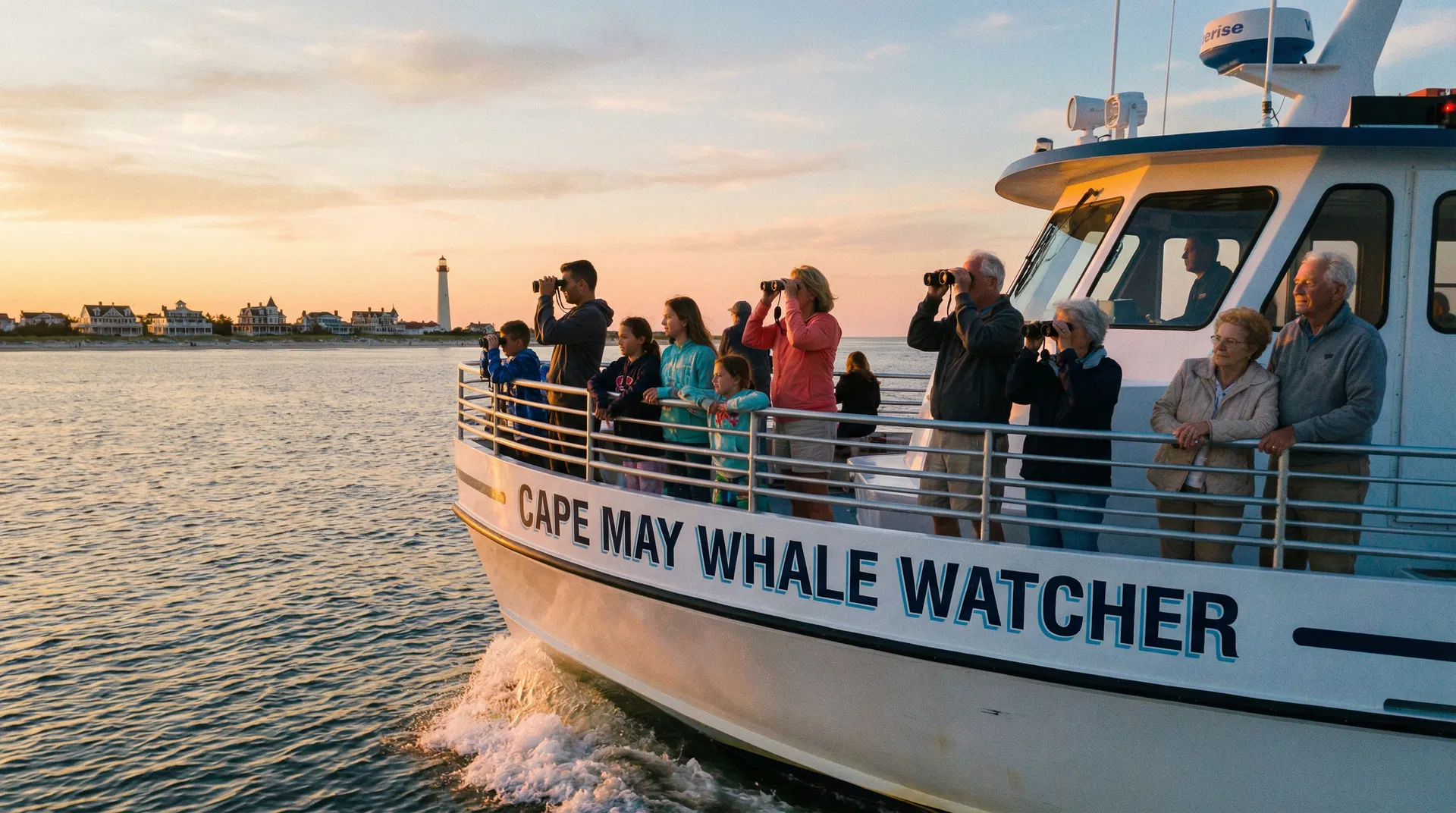
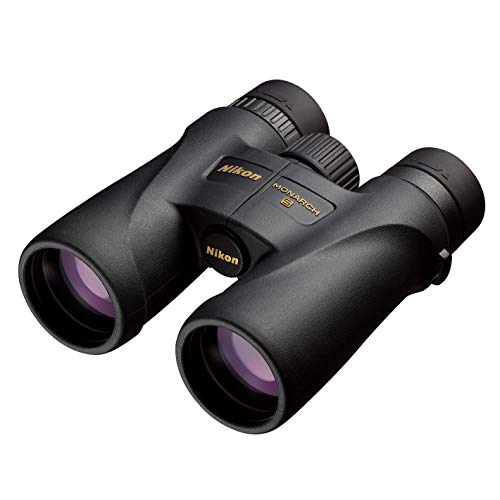
Binoculars — Essential for spotting distant blows and fins before the boat reaches the animals. Marine binoculars with image stabilization are ideal for use on a moving boat. The Steiner Marine 7x50 binoculars are the gold standard for serious whale watchers.
Layers — Even on a warm summer day, the ocean breeze can be surprisingly cool once you're offshore. Bring a light jacket or windbreaker regardless of the forecast.
Sunscreen and sunglasses — The glare off the water is intense. Polarized sunglasses also help you spot marine life below the surface.
Motion sickness medication — If you're prone to seasickness, take medication at least an hour before boarding. The larger boats are more stable, but open ocean swells can affect even experienced sailors.
A camera with zoom — Whale encounters happen fast. A camera with at least 10x optical zoom will capture moments that a smartphone will miss. The GoPro HERO12 is excellent for action shots and video.
Early morning and late afternoon cruises offer the best light for photography.
Tips for the Best Experience
Book the morning cruise — Marine life tends to be most active in the morning, and the light is better for photography. Morning seas are also typically calmer than afternoon.
Choose a weekday — Summer weekends fill up fast. A Tuesday or Wednesday cruise will be less crowded and the crew will have more time to engage with passengers.
Listen to the naturalist — The onboard naturalists know these waters intimately. When they point, look immediately — whale encounters can last only seconds.
Stay patient — Whale watching is wildlife watching. Even on a productive day, there can be long stretches of open ocean before the next encounter. Bring a book, enjoy the scenery, and let the anticipation build.
Combine with other Cape May activities — A morning whale watching cruise pairs perfectly with an afternoon exploring the Washington Street Mall, a sunset at Sunset Beach, or dinner at one of Cape May's outstanding BYOB restaurants. For a full nature-focused day, combine the cruise with our Cape May Birdwatching Guide — the bird and whale migrations overlap beautifully in September and October.
Conservation and Research
Cape May's whale watching industry is not just entertainment — it is a genuine contributor to marine conservation. The Cape May Whale Watch & Research Center participates in photo-identification programs that track individual humpback whales across their range, contributing data to the Allied Whale catalog at the College of the Atlantic. When you book a research-focused cruise, your ticket price directly supports this work.
Humpback whales were once hunted to near-extinction in the North Atlantic. Their recovery — from perhaps a few thousand individuals in the 1970s to tens of thousands today — is one of the great conservation success stories of the 20th century. Seeing a humpback breach in Cape May waters is a reminder of what is possible when humans choose to protect rather than exploit the natural world.
Frequently Asked Questions
Are sightings guaranteed? — Most Cape May operators offer a sighting guarantee or a free return trip if no marine mammals are spotted. In practice, the sighting rate is extremely high — bottlenose dolphins are seen on nearly every cruise, and whales are encountered on the majority of summer and fall departures.
How long are the cruises? — Most whale watching cruises run 2 to 3 hours. Check individual operator websites for exact durations and departure times.
Is it suitable for children? — Absolutely. Most operators welcome children of all ages, and the dolphin encounters in particular are thrilling for kids. Bring snacks, sunscreen, and a sense of adventure.
Do I need to book in advance? — Yes, especially for summer departures. Popular morning cruises on weekends can sell out weeks ahead. Book online as early as possible to secure your preferred date and time.
What if the weather is bad? — Operators monitor conditions closely and will cancel or reschedule if seas are unsafe. Most offer full refunds or rescheduling for weather cancellations. Check the operator's weather policy when booking.